
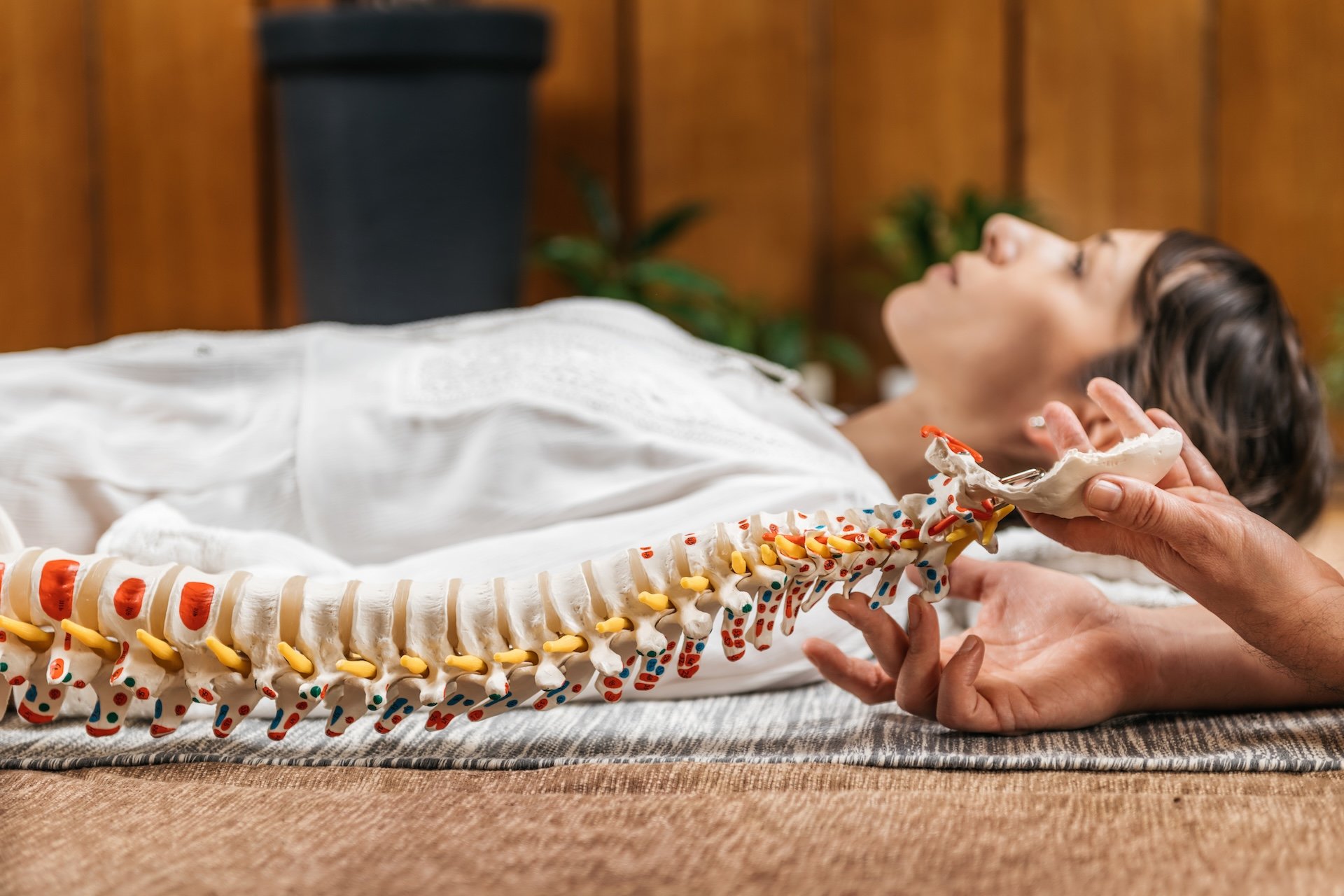
Is your spine getting the support it needs?
Your spine is more than the place where pain shows up.
It supports how you sit, stand, walk, breathe, lift, bend, and move through everyday life.
When spinal movement becomes restricted, overloaded, or poorly supported, the body often starts to compensate in ways you may not notice at first.
At LifeSTATE Clinic in Stoke, Nelson, Adrienn uses LifeSTATE Spine Therapy to support spinal mobility, posture, movement awareness, and the way your body functions as a whole.
Your spine affects more than your back
Many people think about the spine only when their back hurts.
But your spine is involved in almost every movement you make.
It connects with your posture, breathing, balance, hips, shoulders, neck, and the way your body carries load.
When one part of the spine becomes stiff, overloaded, or less mobile, other areas often start working harder.
This can contribute to recurring tension, reduced movement, poor posture, back discomfort, neck stiffness, or a feeling that your body is no longer moving as freely as it should.
LifeSTATE Spine Therapy starts by looking at the bigger pattern — not just the painful spot.
Your spine affects more than your back
Many people think about the spine only when their back hurts.
But your spine is involved in almost every movement you make.
It connects with your posture, breathing, balance, hips, shoulders, neck, and the way your body carries load.
When one part of the spine becomes stiff, overloaded, or less mobile, other areas often start working harder.
This can contribute to recurring tension, reduced movement, poor posture, back discomfort, neck stiffness, or a feeling that your body is no longer moving as freely as it should.
LifeSTATE Spine Therapy starts by looking at the bigger pattern — not just the painful spot.
What can affect spinal function?
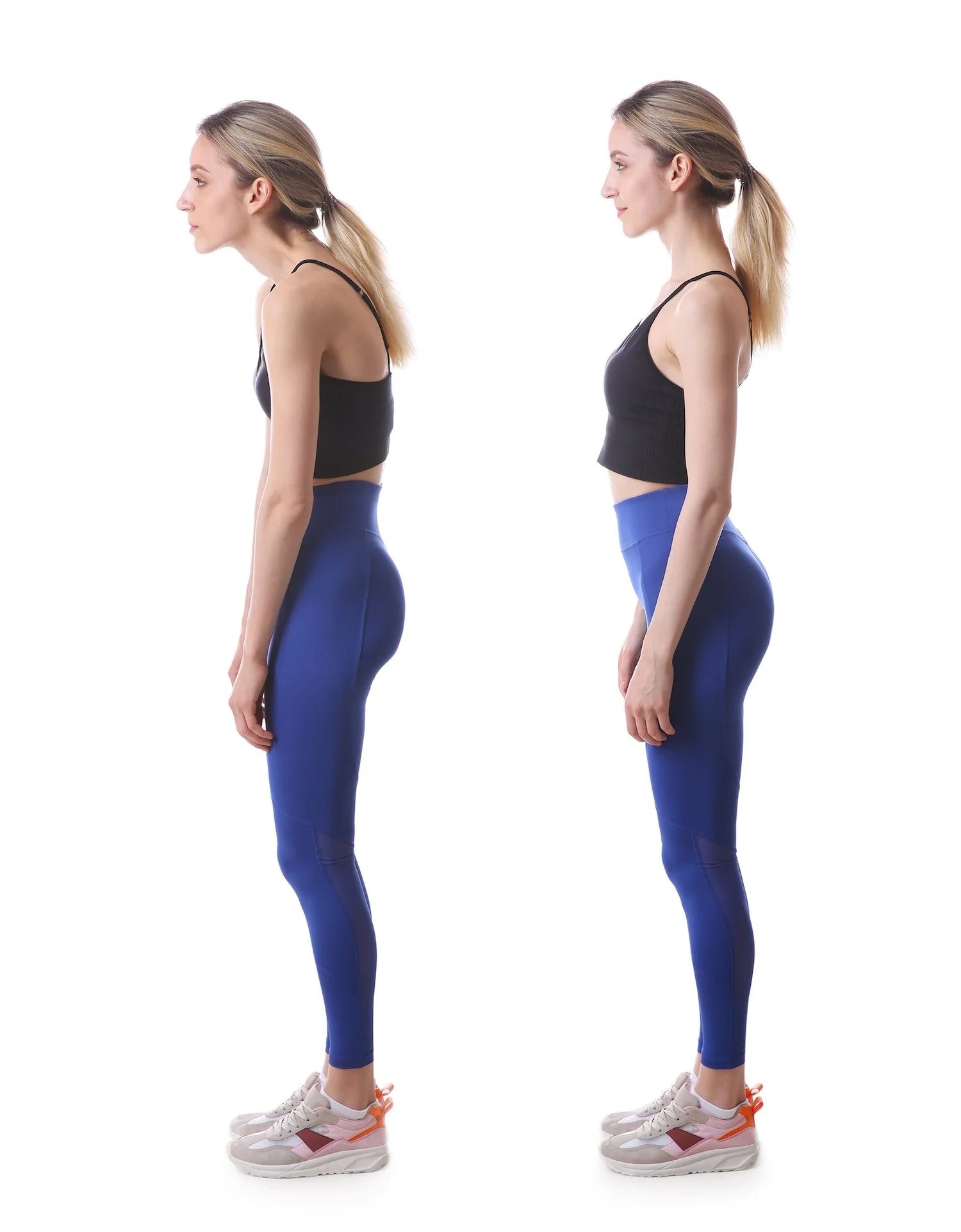
Poor posture
Long hours sitting, slouching, phone use, desk work, and driving can all influence how your spine holds and distributes load.
Reduced mobility
When spinal movement becomes limited, the body may start compensating through the hips, shoulders, neck or lower back.
Repeated strain
Lifting, bending, physical work, sport, or repetitive daily habits can place extra demand on the spine and surrounding tissues.
Weak or underused support patterns
Sometimes the body loses the natural support and coordination it needs to move well. This can affect how stable, comfortable, and confident movement feels.
Old injuries or surgery
Previous injuries, surgeries, scars, or long periods of reduced movement can change how the spine and surrounding areas work together.
Stress and protective tension
Stress can change how the body holds itself. The spine, ribs, neck and lower back often become places where protective tension builds.
What is LifeSTATE Spine Therapy?
LifeSTATE Spine Therapy is Adrienn’s personalised approach to supporting spinal movement, posture and whole-body function.
It is informed by the Evminov method, but it is not used as a fixed protocol.
Over years of hands-on experience, Adrienn has adapted the approach, the therapeutic process, and the equipment she uses to better support the person in front of her.
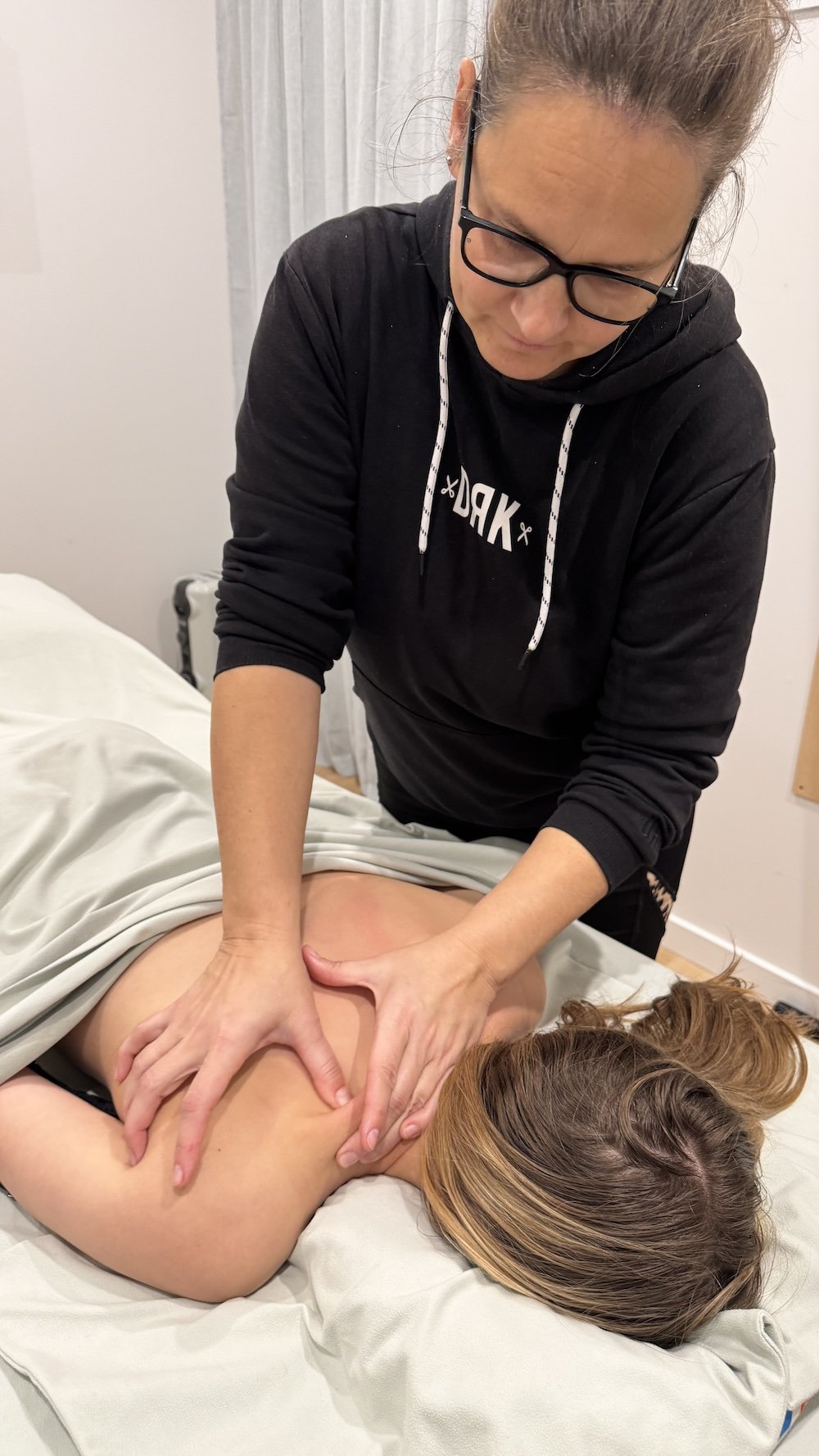
The work may include supported spinal movement, guided exercises, body awareness, hands-on treatment, connective tissue support, breathing awareness, and practical education.
The goal is not to force the spine.
The goal is to help your body find better support, better movement, and a more comfortable way to function.


Why the approach is personalised
Two people can have similar back pain and need very different support.
One person may need more spinal mobility.
Another may need better movement control.
Another may be compensating because of an old injury, scar, hip restriction, stress pattern or long-term posture habit.
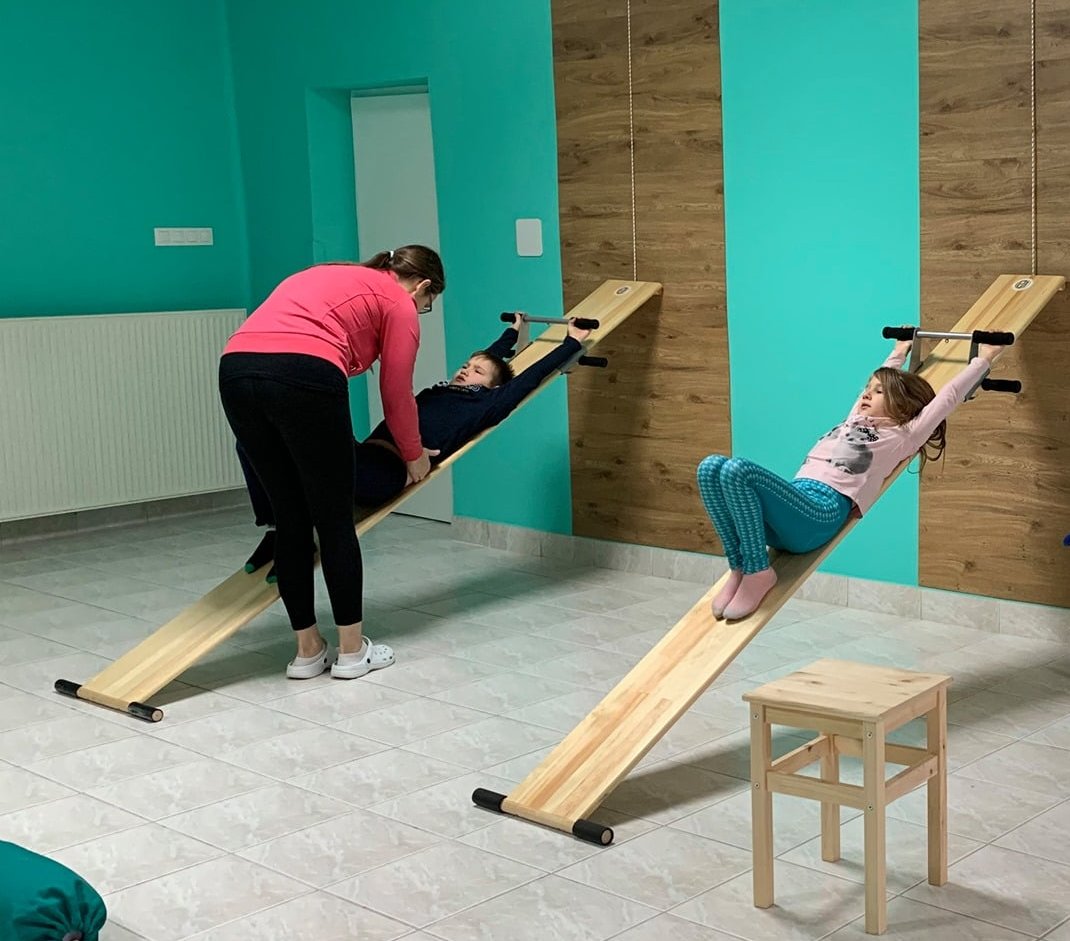
That is why LifeSTATE Spine Therapy is never just about doing exercises on a board.
Adrienn looks at how your body moves, where it may be compensating, and what kind of support your spine may need next.
Every session is adjusted to your body, your history, and your response on the day.

Who may benefit from spine therapy?
LifeSTATE Spine Therapy may be suitable if you experience:
recurring back stiffness
lower back discomfort
poor posture or postural fatigue
reduced spinal mobility
tension that keeps returning
discomfort from long hours sitting
difficulty bending, twisting or standing tall
movement changes after injury or surgery
a feeling that your spine needs support
ongoing body imbalance or compensation patterns

Not sure if this is right for you?
You don’t need to know exactly what is causing the problem before you book.
Start with what you are experiencing, and we will take it step by step.
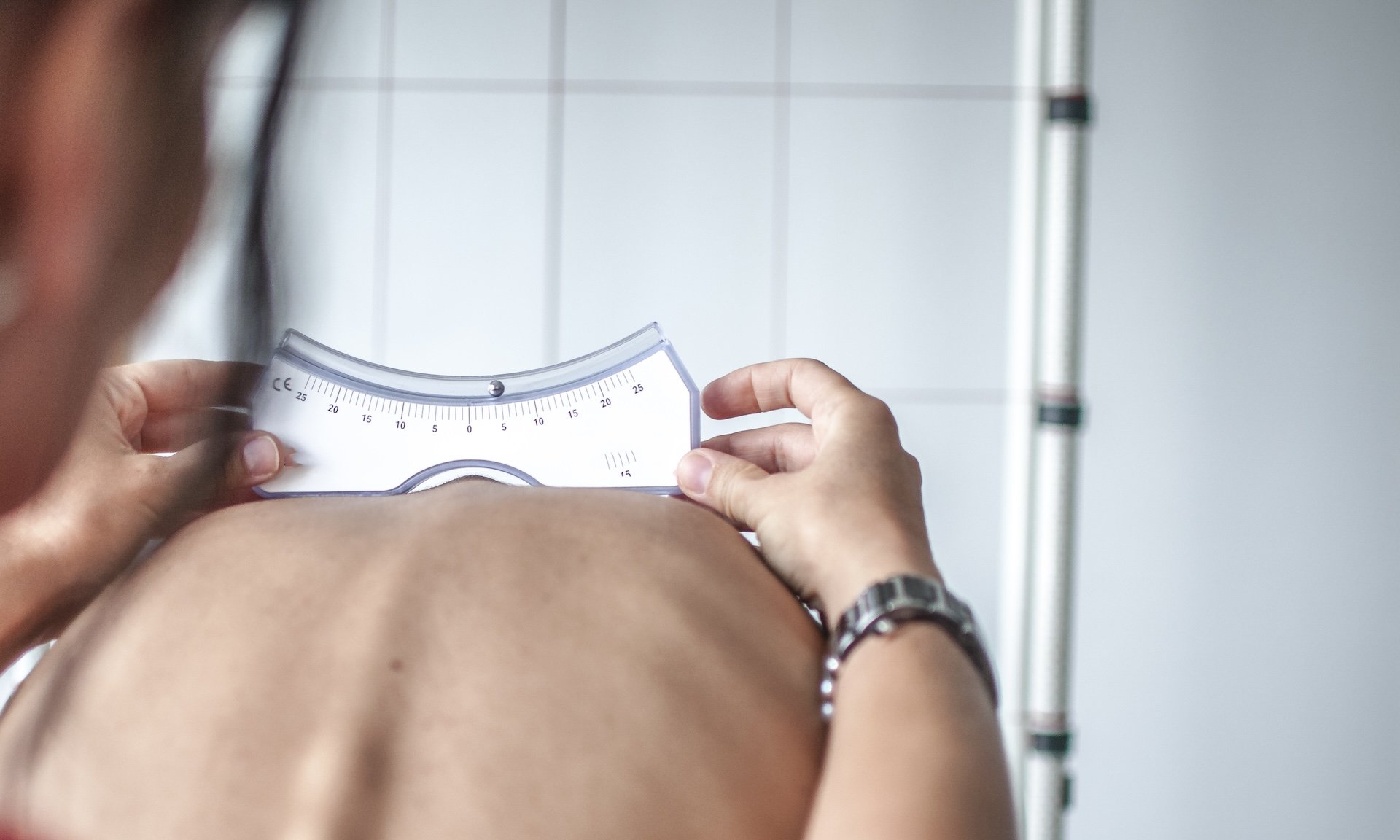
Looking at the whole body, not just the spine
Your spine does not work alone.
It connects with the pelvis, hips, ribs, shoulders, neck, breathing, nervous system, and connective tissues.
That is why treatment may also include hands-on bodywork, movement support, scar therapy, nervous system regulation, or lifestyle guidance where needed.
Adrienn looks for the pattern behind the discomfort — not just the painful spot.
The aim is to help your body move with more ease, reduce unnecessary restriction, and feel more supported in everyday life.

A different way to think about your spine
Spine therapy is not only about pain.
It is about how your body carries you.
How you sit?
How you stand?
How you move?
How you recover?
How your body adapts to daily life.
When your spine is better supported, the rest of the body often has a better chance to move and function with more ease.
Your spine may be asking for support
If your back feels stiff, your posture feels tired, or your body keeps returning to the same patterns of tension, it may be time to look deeper.
You do not need to wait until discomfort becomes severe.
The sooner we understand how your spine is moving, adapting and compensating, the sooner we can create a personalised path forward.