
Could an old scar still be affecting how you move?
A scar may look closed on the surface, but the tissue underneath can sometimes remain restricted, sensitive, or connected to deeper layers of the body.
Scar tissue can influence movement, posture, tension, and how comfortable you feel in your body — even months or years later.
At LifeSTATE Clinic in Stoke, Nelson, Adrienn looks beyond the scar itself to understand how it may be affecting the way your body moves and adapts.
What your scar may still be affecting
Many people think about scars only as marks on the skin.
But scars are part of the body’s connective tissue system. They can sometimes become tight, sensitive, or less mobile than the tissue around them.
When this happens, your body may start compensating around the restriction without you even noticing.
This can contribute to pulling sensations, stiffness, discomfort, reduced mobility, or changes in how you move.
Scar therapy is not just about the appearance of a scar.
It is about helping the surrounding tissue move more freely and supporting the body as one connected system.
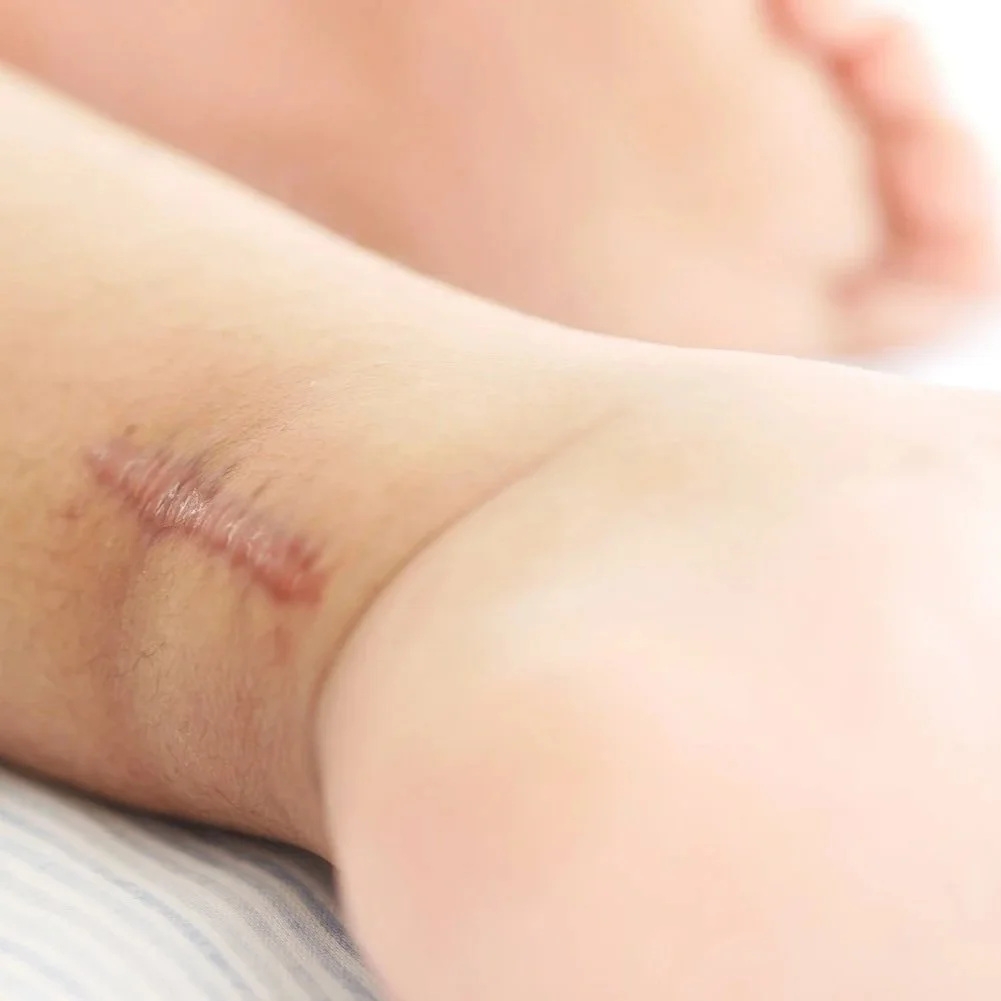
Common reasons people seek
scar therapy
Post-surgery scars
After surgery, the skin may close, but deeper tissues can still feel tight, restricted, or uncomfortable during movement.
C-section scars
A C-section scar can affect more than the lower abdomen. Some people notice pulling, sensitivity, tightness, or changes in core and pelvic movement.
Orthopaedic scars
Scars from knee, hip, shoulder, spinal, or other musculoskeletal procedures may influence mobility and movement patterns.
Old injury scars
Even older scars from accidents, cuts, burns, or injuries may still affect tissue mobility years later.
Pulling, tightness or sensitivity
Some scars feel numb, sensitive, thick, tight, itchy, or uncomfortable when touched or stretched.

Looking beyond the scar
At LifeSTATE Clinic, scar therapy does not start with the scar alone.
Adrienn looks at how the scar relates to the surrounding tissue, movement patterns, posture, breathing, stress, and the way your body has adapted over time.
Treatment may include scar therapy, connective tissue work, movement support, nervous system regulation, and hands-on techniques depending on what your body needs on the day.
The pace and technique are always guided by your body’s feedback.
Every session is tailored to the person, not just the scar.
Signs your scar may need more attention
It may be worth looking deeper if you notice:
pulling or tightness around the scar
sensitivity, numbness, itching or discomfort
reduced movement near the scar area
a scar that feels thick, hard, or stuck
discomfort when stretching, lifting, breathing, or twisting
tension that seems connected to a past surgery or injury
changes in posture or movement after surgery
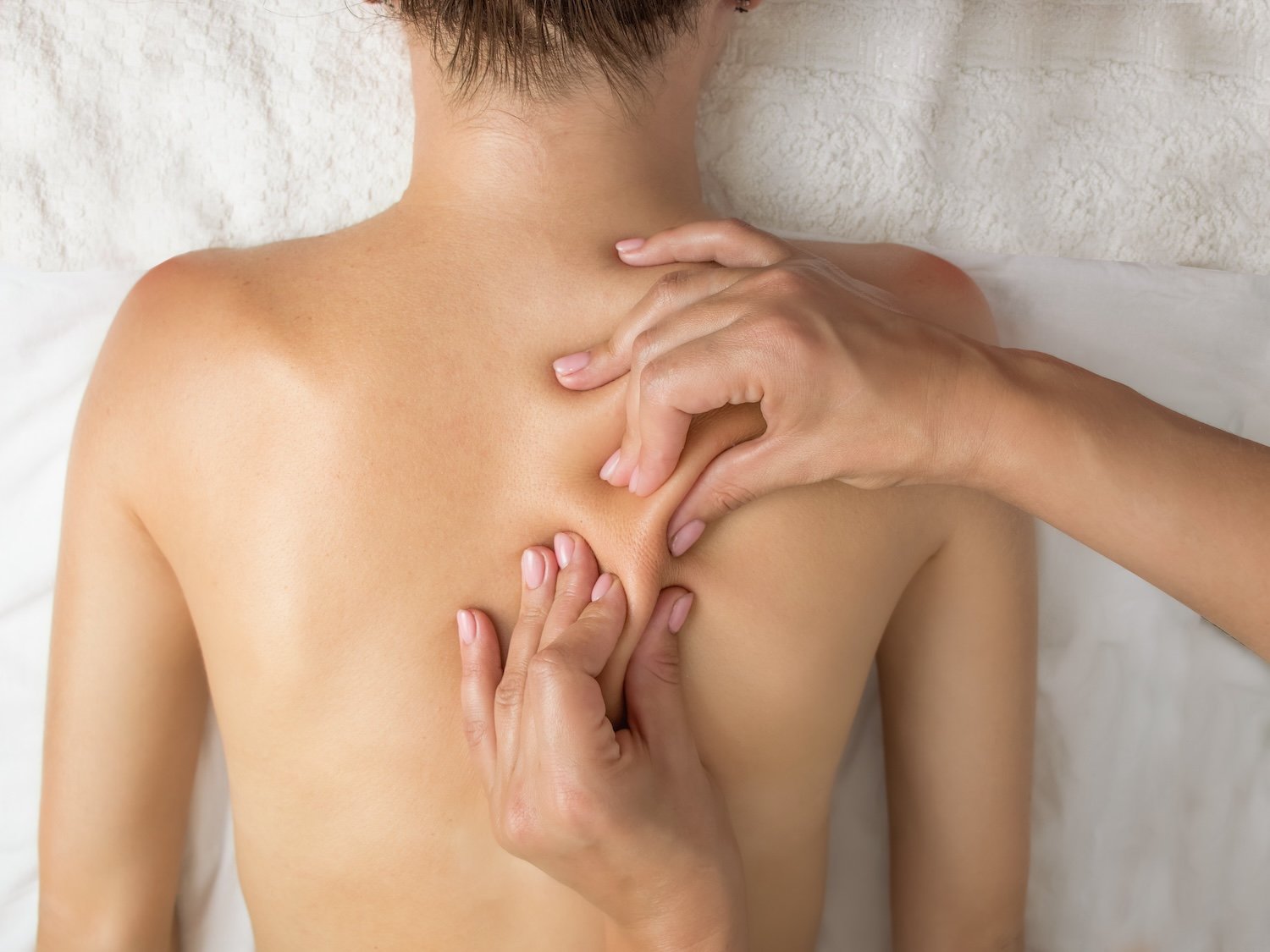
What clients often discover
Many people are surprised to learn that a scar can affect more than the area they can see.
When the surrounding tissue becomes more mobile, people often report feeling more comfortable, less restricted, and more connected to their body again.
Scar therapy is not about forcing change.
It is about helping the body understand that it no longer needs to protect the area in the same way.
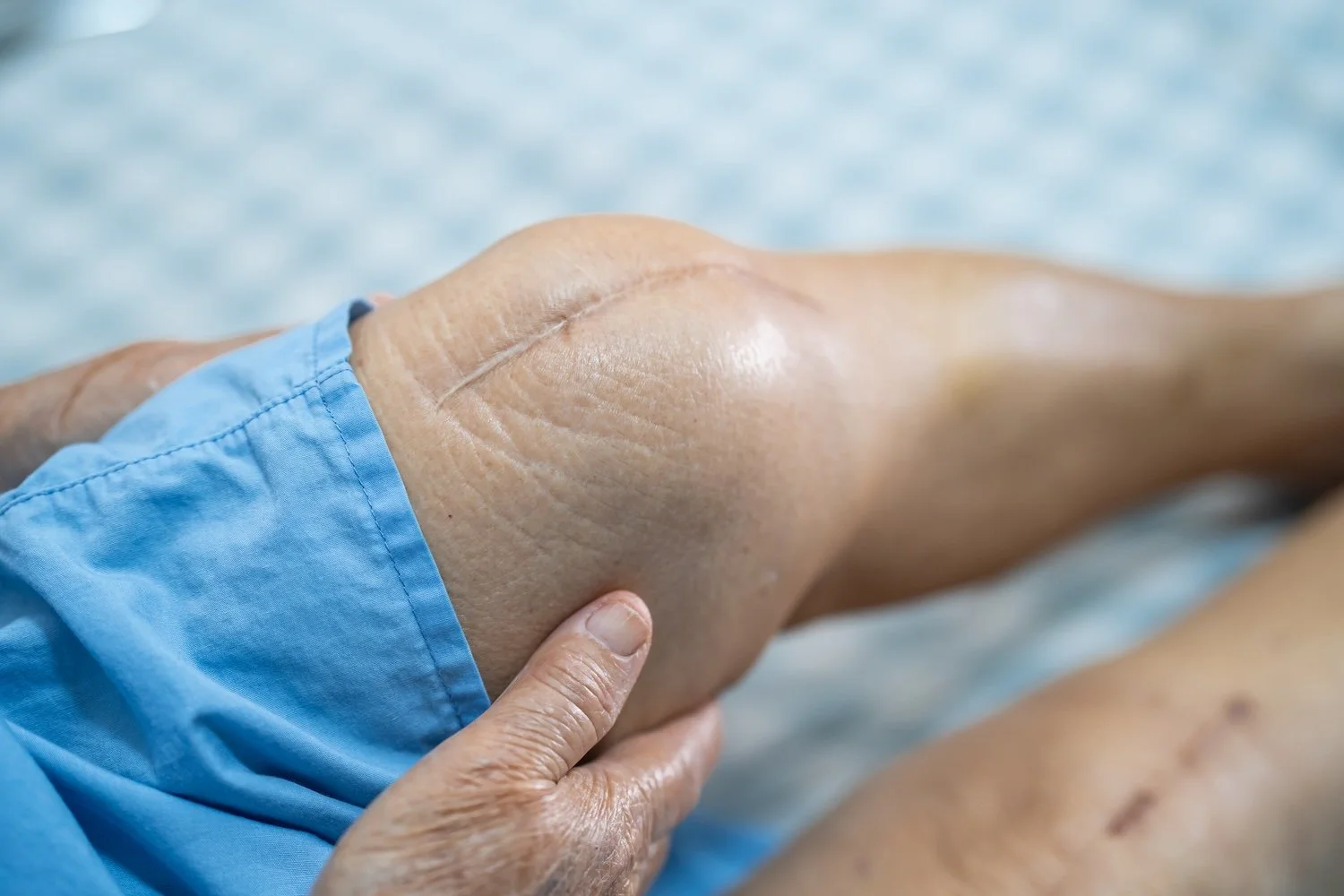

When to seek medical advice first
Please speak with your GP or medical provider first if your scar is newly opened, hot, red, swollen, leaking, infected, increasingly painful, or if you feel unwell.
Scar therapy at LifeSTATE Clinic provides supportive hands-on care and movement guidance. It does not replace medical diagnosis or urgent medical treatment.

Your scar may be part of a bigger story
A scar is not just something left behind.
It can be part of how your body moves, protects, compensates, and adapts.
The sooner we understand what may still be affecting the tissue, the sooner we can begin supporting more comfortable movement and helping your body feel more at ease again.