
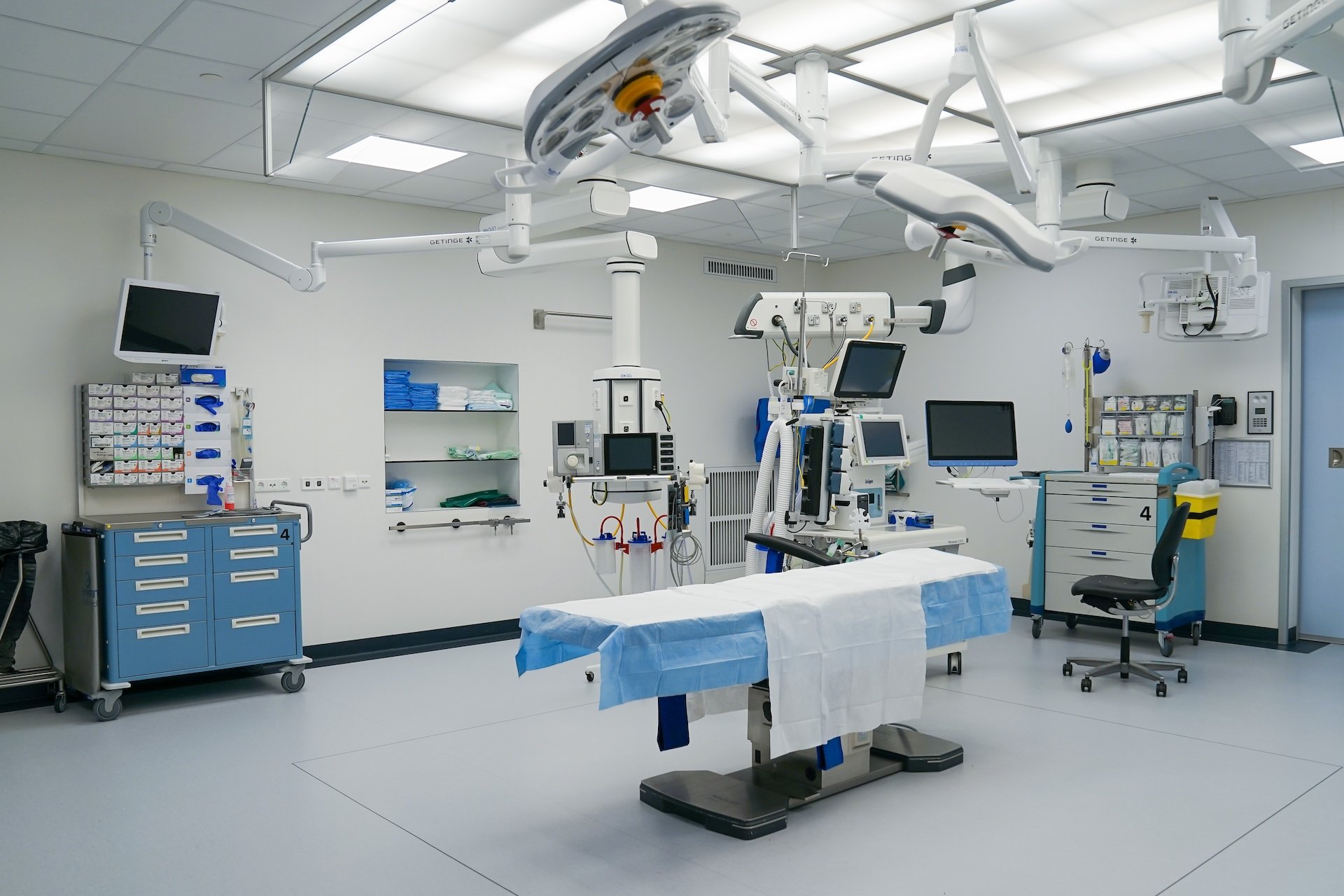
Most people prepare for surgery. Fewer prepare for recovery.
Whether your operation is coming up or already behind you, recovery is more than waiting for the wound to close or the pain to settle.
After knee, hip, shoulder, spinal or other movement-related surgery, your body may still be adapting through stiffness, scar tissue, protective tension and new compensation patterns.
At LifeSTATE Clinic in Stoke, Nelson, Adrienn helps you understand what your body may need next, so you can move more comfortably and feel more at ease in your recovery.
Recovery does not always end when the surgery is over
For many people, the focus is on getting through the operation.
But once the surgery is finished, the body still has work to do.
Muscles may feel weaker. Movement may feel different. Scar tissue may become tight or sensitive. Other areas of the body may start compensating without you even noticing.
This is why recovery is not only about time.
It is about helping your body adapt, move, and function as well as possible again.

Preparing for surgery?
If you are still waiting for your operation, this can be a valuable time to understand your body better.
Depending on your situation and medical guidance, pre-surgery support may help you become more aware of movement patterns, reduce unnecessary tension, and prepare your body for the recovery process ahead.
The aim is not to replace your medical care.
The aim is to help you enter recovery with a clearer understanding of how your body moves, where it may already be compensating, and what may need attention after surgery.

Already had surgery?
If your surgery is already behind you, it is common to expect that things should simply return to normal once the wound has closed.
But the body does not always work that way.
You may still feel stiff, guarded, sensitive, weak, restricted, or unsure about how much you can trust the area again.
Sometimes the operated area feels better, but another part of the body starts to feel tight or overloaded.
This can happen because your body has learned new ways to protect, avoid, or compensate during recovery.


What can affect recovery after surgery?
#1 Reduced movement
#2 Protective tension
#3 Scar tissue restrictions
After surgery, it is common to move less for a period of time. Over time, this can affect mobility, strength, posture and how naturally the body moves.
#4 Compensation patterns
The body often protects the operated area by creating tension around it. This can be helpful at first, but may become limiting if the body continues to guard for too long.
A scar may look closed on the surface, while the tissue underneath still feels tight, sensitive, thick, or less mobile than the surrounding area.
When one area cannot move comfortably, other areas often work harder. This may lead to new tension in the back, hips, shoulders, neck or legs.
#5 Loss of body awareness
After surgery, some people feel disconnected from the operated area or unsure how to move naturally again.
#6 Stress and nervous system response
Surgery can be stressful for the whole body. The nervous system may stay on high alert, which can influence tension, sleep, sensitivity and recovery.

Looking beyond the operated area
At LifeSTATE Clinic, recovery support does not focus only on the place where surgery happened.
Adrienn looks at how your body moves as a whole.
For example, knee surgery may affect the hip, lower back, ankle or walking pattern. Shoulder surgery may influence the neck, ribs or upper back. Abdominal or spinal surgery may change how you breathe, move, stabilise or carry tension.
Your body is connected.
That is why the goal is not simply to work on one area, but to understand the bigger pattern behind how your body is adapting.
How Adrienn may support your recovery
Every session is tailored to your body, your surgery history, and where you are in the recovery process.
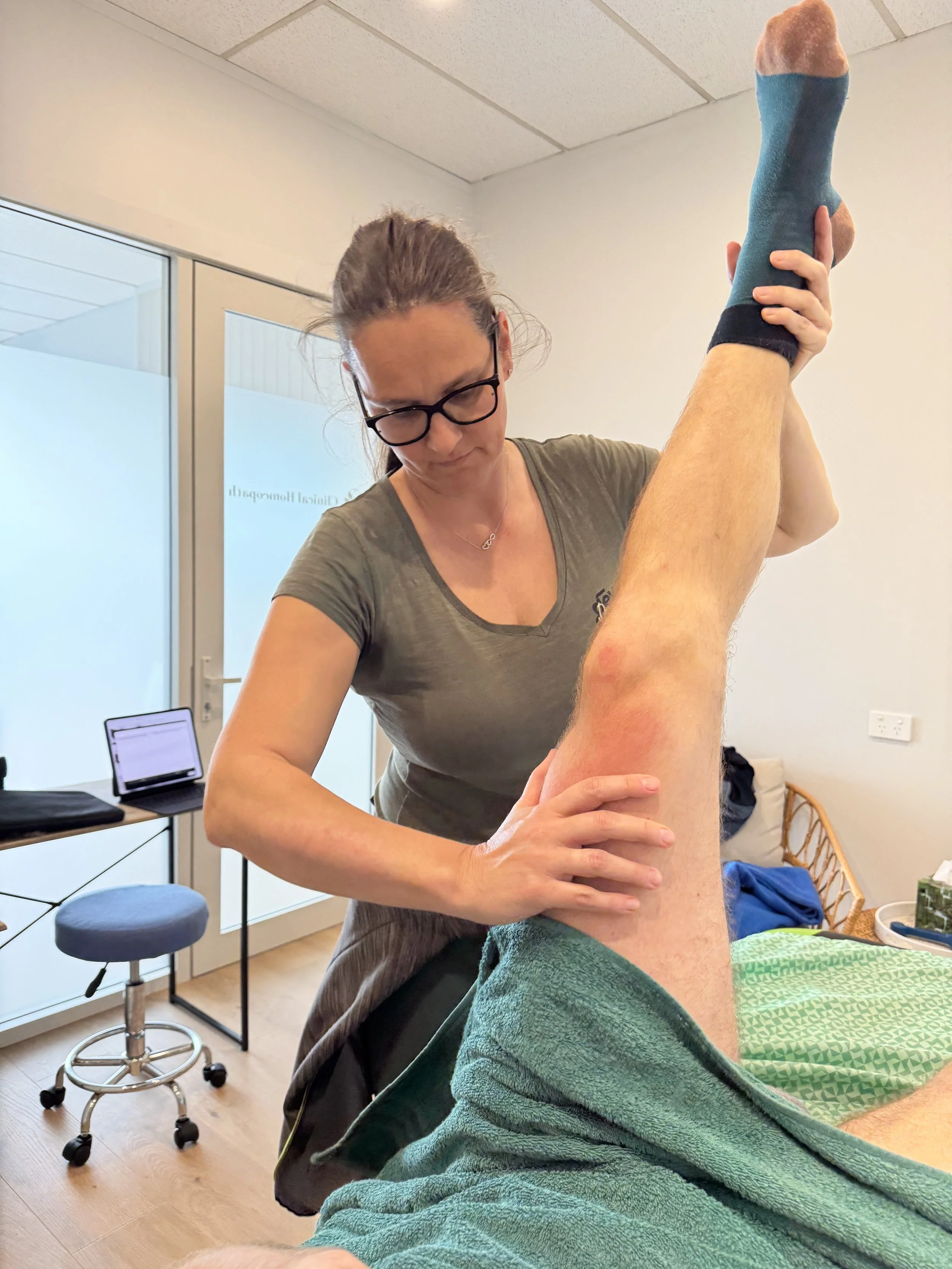
Support may include hands-on treatment, scar therapy, connective tissue work, movement guidance, nervous system support, and practical education.
Adrienn may work with the scar, surrounding tissues, posture, movement restrictions, compensation patterns, and the way your body responds during the session.
The pace and technique are always guided by your body’s feedback.
The goal is to help you move with more ease, feel less restricted, and better understand what your body needs next.

Signs your body may still need support
It may be worth looking deeper if you notice:
stiffness that does not seem to improve
tightness or pulling around the scar
reduced movement near the operated area
discomfort when walking, lifting, bending or reaching
feeling guarded or unsure when moving
new tension in another part of the body
changes in posture or walking pattern
sensitivity, numbness or discomfort around the scar
difficulty returning to everyday activities
feeling that your body has not fully “come back” after surgery
When to speak with your medical provider first
Please follow the guidance of your surgeon, GP or medical provider after surgery.
You should seek medical advice first if your wound is open, red, hot, swollen, leaking, increasingly painful, or if you feel unwell.
You should also seek urgent medical advice for symptoms such as sudden severe pain, chest pain, shortness of breath, or unusual swelling in the leg.
LifeSTATE Clinic provides supportive hands-on care and movement guidance. It does not replace medical diagnosis, surgical follow-up, or urgent medical treatment.
Recovery is a process. You do not have to work it out alone.
Whether your surgery is still ahead of you or already behind you, your body deserves support through the next stage.
The sooner we understand what may be affecting your movement, scar tissue, posture, tension or recovery patterns, the sooner we can begin supporting your body in a way that makes sense for you.
You do not need to know exactly what treatment you need.
Start with your story, and we will take it step by step.