
What Is Scar Therapy?
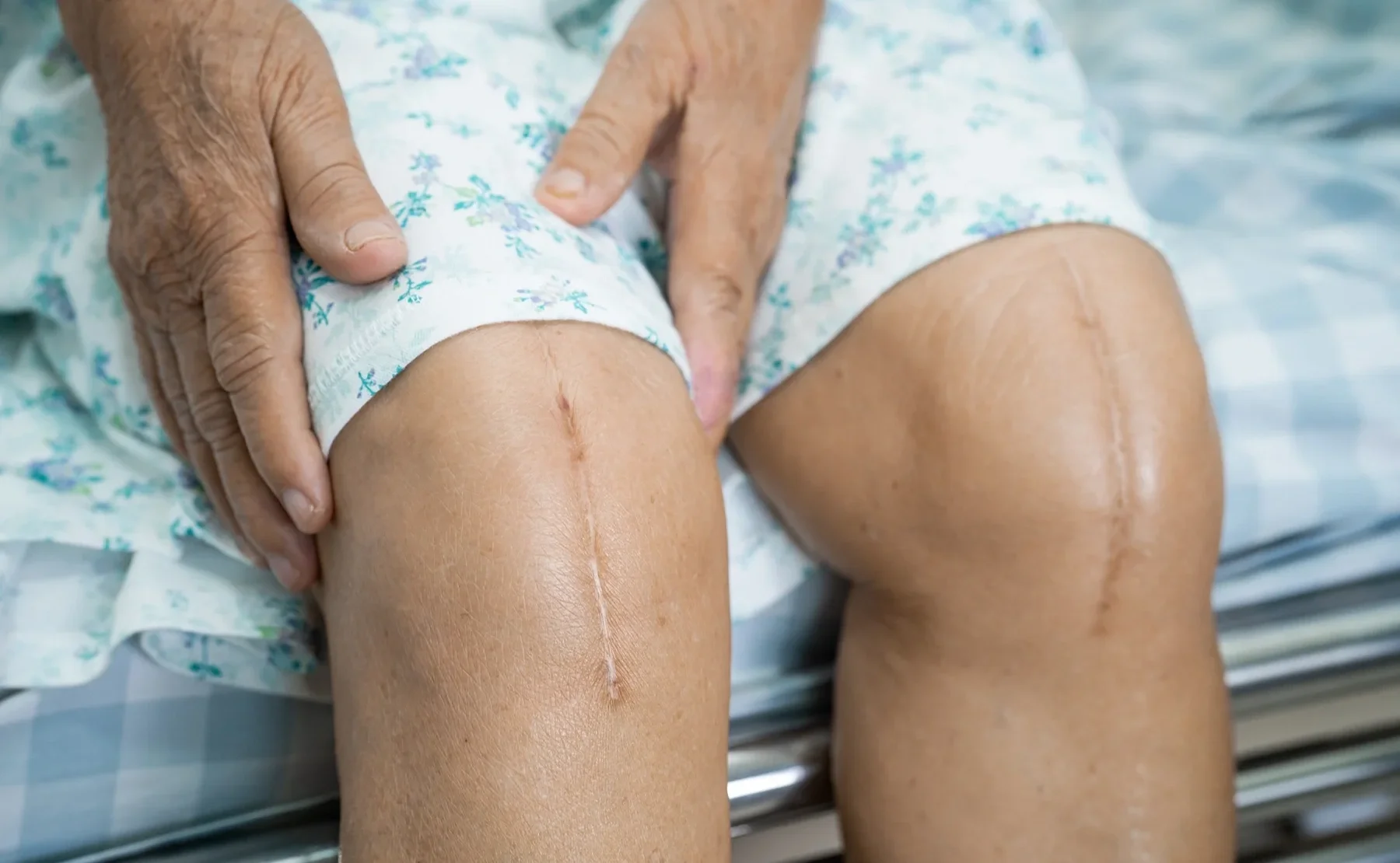
Quick takeaway
Scar therapy is a gentle, hands-on approach that works with healed scar tissue and the surrounding connective tissue.
A scar is not only a mark on the skin. It may also affect how the nearby tissue moves, feels, glides, or responds.
Scar therapy should only begin once the wound is fully closed and healed.
The aim is not to force or “break up” the scar, but to support better tissue mobility, reduce unnecessary protection where appropriate, and help the body move with more ease.
Why a Healed Scar May Still Matter
Thoughts from the treatment room
Maybe you have recently had surgery.
Maybe you are preparing for one.
Or maybe you have an old scar you hardly think about anymore.
The wound has closed. The skin has healed. Life has moved on.
But something still feels different.
The scar may feel tight, numb, sensitive, itchy, uncomfortable, or strange to touch. You may feel pulling when you move, twist, stretch, breathe deeply, or use the nearby joint.
Sometimes the scar itself does not hurt at all, but the body around it feels restricted.
This does not mean something is seriously wrong. And it does not mean every scar needs treatment.
But it does mean your scar may still be part of your body’s story.
At LifeSTATE Clinic in Stoke, Nelson, I sometimes see people who come in for back discomfort, hip tightness, shoulder restriction, knee or ankle stiffness, or a feeling that one part of the body is “pulling” on another.
And sometimes, when we look at the bigger picture, a healed scar is part of the pattern.
When is the right time to think about scar therapy?
The best time to think about scar care is before the scar becomes a long-term restriction.
But hands-on scar therapy should not start too early.
The wound must be fully closed and healed first. There should be no scabs, openings, leaking, infection, or signs that the skin is not ready.
For many surgeries, gentle scar work may begin around 3–4 weeks after surgery or injury, once the wound has healed properly. After a C-section, this is often closer to 6–8 weeks.
But this is not a fixed rule.
The right timing depends on the type of surgery, how your body is healing, your surgeon’s advice, and whether the scar is fully closed and safe to touch.
If you are preparing for surgery, you do not need to wait until there is a problem. You can already learn what to look for, when to ask for help, and how to support your recovery safely.
If your scar is old, it is also not necessarily “too late”. Older scars can still be worth assessing if they feel tight, sensitive, numb, uncomfortable, or connected to movement restriction.
Why can a scar still matter after it has healed?
Scar tissue forms as part of the body’s natural repair process.
This is normal and important. Without scar formation, the body could not close and protect an injured area.
But healed scar tissue may not always behave exactly like the tissue that was there before.
Some scars become soft and barely noticeable.
Others may feel firm, raised, tight, numb, sensitive, itchy, or less mobile than the surrounding skin.
This is where it gets interesting.
The body does not work in separate pieces. Skin, connective tissue, muscles, joints, nerves, breathing and movement all influence each other.
A scar may be on the surface, but the body may adapt around it in deeper or nearby areas.
That is why scar care is not only about how the scar looks.
It is also about how it feels, how it moves, and how your body moves around it.
What can happen if a scar is ignored?
Many scars heal well and never cause any major problem.
But some scars can become harder, tighter, more sensitive, less mobile, or connected to deeper tissue restriction.
Sometimes the tissue under or around the scar may feel stuck. Sometimes the area becomes numb or disconnected. Sometimes the body keeps protecting the area long after the wound has healed.
Over time, this protection can become a movement habit.
For example, a scar around the knee or ankle may contribute to stiffness or reduced movement in that area. If the joint does not move well, the body may start to compensate.
That compensation may affect how you walk, how you load one side, how your hips and pelvis move, and how your spine adapts to the pattern.
This does not mean an untreated scar directly “causes scoliosis” or spinal problems.
But it does show why scars should not always be seen as only a skin issue.
If movement is restricted in one part of the body, other areas may start helping, avoiding, twisting, or carrying more load.
The body is connected.
And sometimes a small area can influence a much bigger pattern.
Does this sound familiar?
You may benefit from a scar-focused assessment if you recognise some of these signs:
Your scar feels tight, hard, raised, or restricted.
The area around the scar feels numb or less connected.
The scar is sensitive, itchy, tender, or uncomfortable.
You feel pulling around the scar when you move.
You avoid touching the scar because it feels unpleasant or strange.
Your body has not felt quite the same since surgery or injury.
You feel restricted around your abdomen, hip, shoulder, knee, ankle, back, or chest.
Stretching or massage helps for a while, but the same pattern returns.
You are preparing for surgery and want to understand how to support your recovery.
You feel like one area of your body is influencing another.
If several of these feel familiar, it does not mean the scar is the only cause of your symptoms.
But it may be worth including it in the bigger assessment.
Scar therapy is not about forcing the tissue
Some people worry that scar work will be painful.
It should not feel like your body is being forced.
Scar therapy can be gentle, slow, specific and respectful. The technique depends on the scar, how sensitive the area is, how long ago it healed, and how your body responds.
The goal is not to “break” the scar.
The goal is to help the surrounding tissue feel safer, move better, and become more connected with the rest of the body.
Sometimes the work may involve gentle touch.
Sometimes slow movement.
Sometimes light pressure.
Sometimes desensitisation.
Sometimes breathing and body awareness.
Sometimes simple home guidance.
The right approach depends on the person.
For some people, the first step is simply becoming comfortable touching the scar area again.
The LifeSTATE perspective
At LifeSTATE Clinic, I do not look at the scar in isolation.
I look at how your body has adapted around it.
That may include the nearby joints, muscles, connective tissue, posture, breathing, stress response, movement habits and recovery.
Before your first appointment, you receive a questionnaire. This helps me understand your symptoms, history, previous injuries, surgeries, scars, daily habits and what you would like help with.
During the appointment, I assess how your body moves and how the scar or surrounding tissue may be involved.
The first session usually includes both assessment and hands-on treatment, depending on what your body needs on the day.
English is my second language, and I am still developing it. During the session, I keep communication simple, practical and focused on what we are doing.
After your appointment, I send you a detailed follow-up email with my observations, what I noticed in your body, and suggestions for the next steps. This may include practical advice, simple home guidance, or recommendations for further treatment.
This written follow-up is an important part of the process because it gives you time to read, understand and come back to the information after the session.
Simple things you can notice at home
You do not need to start with anything complicated.
You can simply begin by noticing:
Does the scar feel different from the surrounding skin?
Is it sensitive, numb, itchy, tight, or uncomfortable?
Does it move easily under your fingers, or does it feel stuck?
Do you feel pulling when you move, twist, breathe deeply, or use nearby joints?
Do you avoid touching the scar?
Do not force anything.
If the scar is healed and comfortable to touch, gentle awareness can be a useful first step.
If the area feels painful, hot, swollen, red, leaking, infected, or not fully healed, do not massage it. Seek medical advice first.
When to seek help
Scar therapy should only be used on healed scars.
Please seek appropriate medical advice if your scar or wound is red, hot, swollen, increasingly painful, leaking fluid or pus, smells unusual, opens again, or if you feel unwell.
You should also seek help if a scar is changing quickly, becoming more painful, or causing concern.
If the scar is healed but still feels tight, numb, sensitive, uncomfortable, or connected to movement restriction, it may be worth having it assessed as part of the bigger body pattern.
A scar is not just a mark
A scar can be a reminder of healing.
But sometimes it can also be a place where the body still holds tension, sensitivity, protection, or disconnection.
Not every scar needs treatment.
But if you are preparing for surgery, recovering after surgery, or living with an old scar that still feels strange or restrictive, it may be worth understanding what your body is doing around it.
If you are in Nelson, Stoke, Richmond, or the surrounding area and you would like to understand whether a healed scar may be part of your body’s pattern, LifeSTATE Clinic can help you explore this gently and safely.
Book an initial assessment, and let’s look at what your body may still be trying to tell us.
Sometimes the scar is not the whole story.
But sometimes it is an important part of the story.
Frequently Asked Questions About Scar Therapy
What is scar therapy?
Scar therapy is a gentle hands-on approach that works with healed scar tissue and the surrounding connective tissue. The aim is to support better tissue mobility, reduce unnecessary protection where appropriate, and help the body move with more ease.
When can I start scar therapy after surgery?
Scar therapy should only begin once the wound is fully closed and healed. For many surgeries this may be around 3–4 weeks, while C-section scars are often closer to 6–8 weeks. Always follow your surgeon, midwife, GP or healthcare provider’s advice.
Can an old scar still affect movement?
Sometimes, yes. An old scar may still feel tight, numb, sensitive, itchy, or restricted. In some people, it may be part of a wider movement or tension pattern.
Can a knee or ankle scar affect the rest of the body?
It may contribute to a bigger pattern if it restricts movement or changes how you walk or load the body. This does not mean every scar causes problems, but the knee, ankle, hip, pelvis and spine all work together during movement.
Is scar therapy painful?
It should not feel like your body is being forced. Some areas may feel sensitive, but scar therapy is usually slow, gentle and adapted to how your body responds.
Can scar therapy help after a C-section?
Scar therapy may be helpful when a healed C-section scar feels tight, numb, sensitive, uncomfortable, or connected to abdominal, hip, pelvic, or lower back restriction. The scar must be fully healed before hands-on work begins.
Where can I get scar therapy in Nelson?
If you are looking for scar therapy or connective tissue support in Nelson, Stoke or Richmond, you can book an initial assessment at LifeSTATE Clinic. The first step is to understand your scar, your movement pattern, and what kind of support your body may need.